The story behind Anzorileptu and my focus on AI whiteboard content digitization

From manual redraws to AI powered clarity, I have always followed the trail of real whiteboard habits and the small frustrations people quietly accept in busy project cycles.

“I walked out of the room with a photo, and an hour later it was a clean diagram with tasks,” a project lead told me, and that moment confirmed I was on the right path. I see Anzorileptu as part archive, part assistant, turning the sensory mess of markers and tape into something your future self can actually use.

In the early days, I manually redrew whiteboard photos into digital diagrams just to understand where the real friction lived. That work taught me that people do not only want neat lines; they want to keep the emotional weight of a session, the clusters of ideas that formed late in the meeting, and the arrows added in a rush before everyone left. Today, the AI looks for those subtle cues, so the digitized version still feels like the original moment of shared focus, only now it is searchable, editable, and ready to plug into your existing tools.

I also learned that hybrid work changed the role of the whiteboard completely. Some people join from a boardroom, others from a kitchen table, and yet they all need to see the same picture evolve. By turning a single photo into diagrams, lists, and timelines that can live inside the tools your team already uses, I aim to make the physical board a bridge instead of a barrier, so remote and in room participants stay aligned after the call ends.

Throughout this journey, I have treated accuracy, transparency, and control as non negotiable principles. That means clearly showing you how content has been interpreted, allowing quick corrections, and making it simple to delete or retain images according to your internal policies. Results may vary from board to board, especially with very complex sketches, but each pass teaches the system more about how real teams think together, and I keep folding those lessons back into the product.

My commitment to responsible, practical AI for whiteboard digitization

“I finally trust that what we decide at the board will show up where work happens,” a delivery manager told me after trying Anzorileptu, and that trust is what I work to earn with every release. I know that once a meeting ends, the gap between intent and follow through can widen quickly.

To keep that gap as small as possible, I anchor the product around a cause and effect chain that starts with a single image. A clearer capture leads to better AI recognition, which leads to more accurate digital diagrams, which in turn leads to cleaner task lists and smoother handovers. By showing you where in that chain things can be improved, I aim to make each future session more effective without demanding a heavy change in your habits.

Because Anzorileptu operates in a South African context with teams that often span cities, time zones, and bandwidth constraints, I pay attention to the practicalities of image size, upload reliability, and data storage locations. This attention helps me design a service that is responsive enough for fast moving teams, yet considerate of connectivity limits and the regulatory environment that shapes how visual records of meetings should be handled.
I also recognise that every organization has its own risk posture around meeting content and diagrams. That is why I encourage clients to pair Anzorileptu with their existing access controls and retention policies, and to involve their governance teams early when defining how whiteboard photos move through their systems. The AI may help you move faster from sketch to structure, but your internal rules still set the boundaries, and I build with respect for those boundaries from the outset.

My perspective

When I look at a whiteboard, I do not just see markers and magnets; I see a living timeline of decisions, doubts, and breakthroughs. Over years of watching teams rush to photograph these moments before they vanished, I became obsessed with preserving that energy in a form that actually moves work forward, instead of trapping it in forgotten image folders and scattered notes.

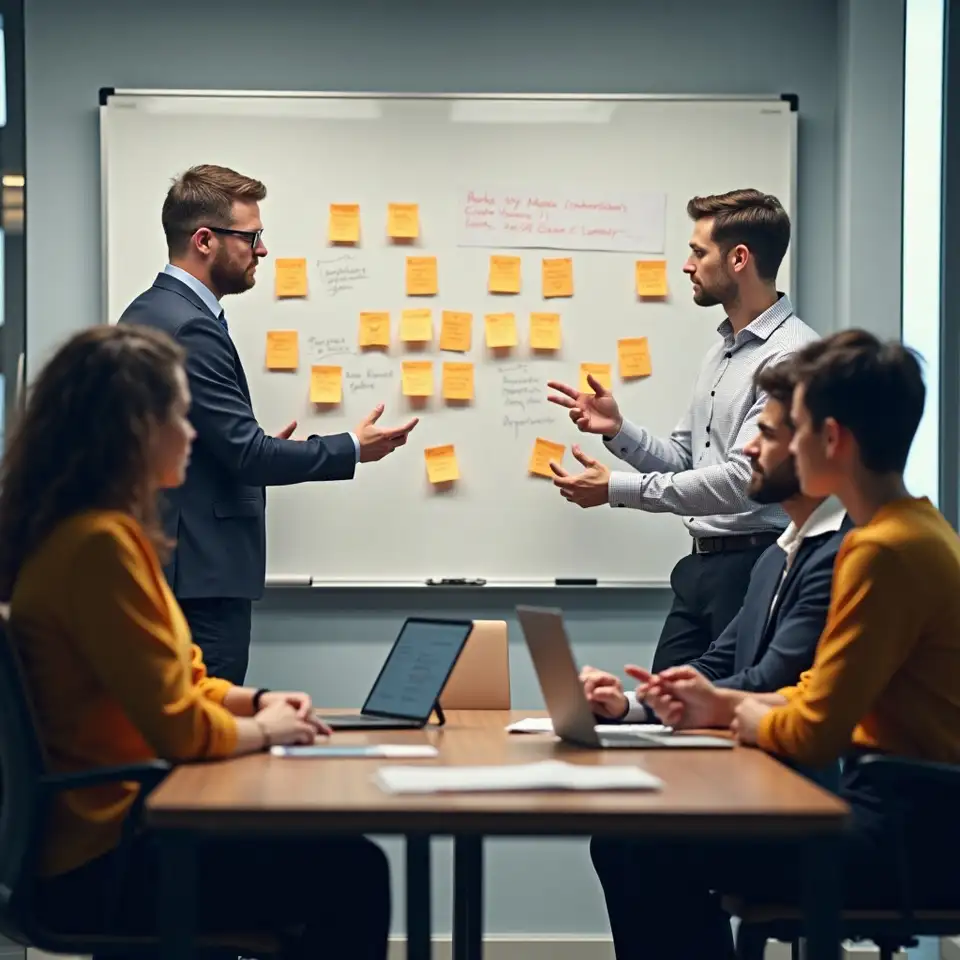
I built Anzorileptu around a simple belief that tools should adapt to human thinking, not the other way around. That is why the AI behind the scenes is trained to read messy handwriting, lopsided diagrams, and overlapping sticky notes, then translate them into calm, structured digital artifacts that are easy to search, edit, and share without asking you to change how you brainstorm or plan together.
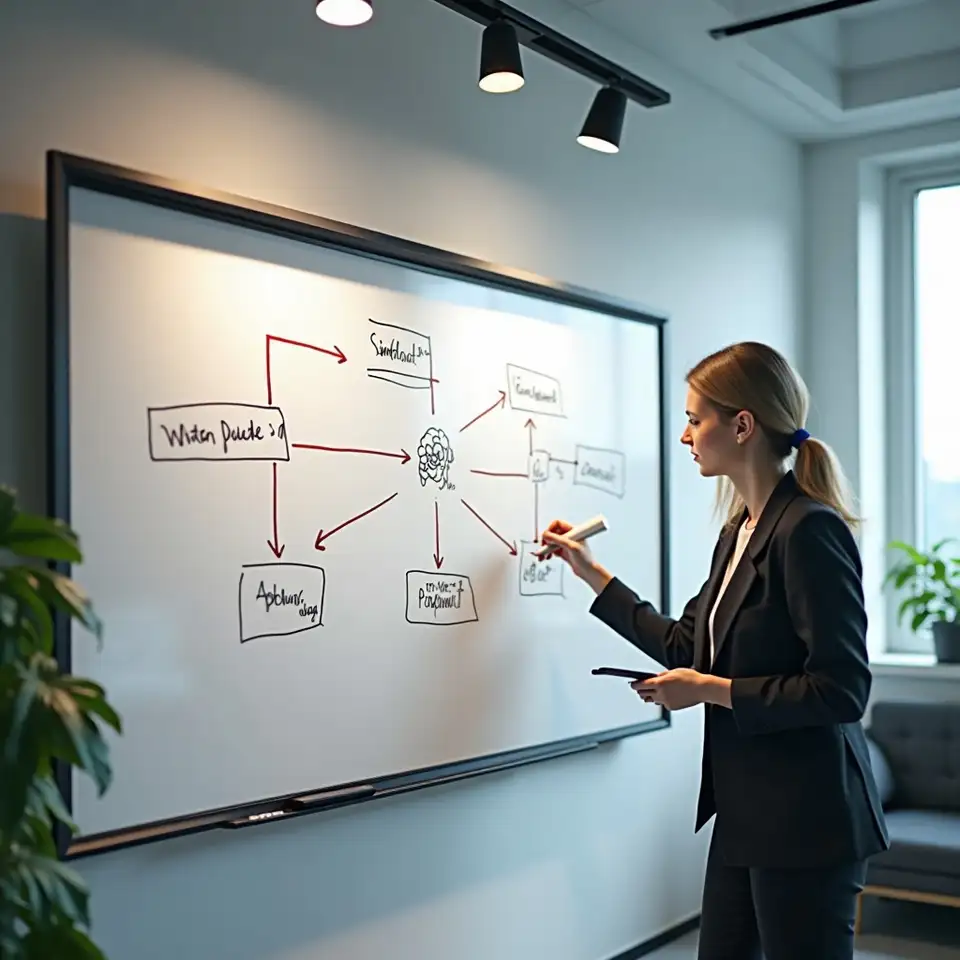
founder working near whiteboard
team capturing whiteboard notes with phone

Why I built Anzorileptu

From blurry photos to clear digital follow through

“I used to leave meetings with a phone full of whiteboard photos and no idea where to start,” one early user told me, and that sentence still guides everything I design. I saw the same frustration across project rooms, classrooms, and strategy sessions, so I set out to build an AI workflow that respects the chaos of real collaboration and turns it into clear digital structure without asking teams to change how they think or work.
Talk to me

“It feels like having a quiet note taker in the corner who never misses a sticky note,” a facilitator once said, and that is exactly the feeling I aim for with Anzorileptu. I design the service to sit in the background, watching the board so you can stay present in the discussion.

When I work with teams, I start by mapping their existing rituals around whiteboards and sketch walls. Some capture every board, others only photograph the final state, and many forget entirely until someone asks for a missing detail days later. By understanding these patterns, I can tailor how AI whiteboard content digitization fits into their rhythm, suggesting capture points that do not interrupt the flow yet still provide enough visual information for the AI to build accurate diagrams and task lists.

I also pay close attention to how different roles read the same board. Designers often look for flows and relationships, while operations leaders search for owners and deadlines. This difference led me to shape the output into multiple views from one image, so the same captured board can surface as a process map for one person and a set of actionable items for another, each connected back to the original sketch for context when questions arise later.

Alongside functionality, I remain grounded in responsible use of AI. I encourage teams to review outputs with a critical eye, to correct misread handwriting, and to treat the system as a collaborator rather than an authority. Past performance does not guarantee future results, especially as meeting styles shift, so I keep refining the models and interface with that humility in mind, making sure people stay in control of the story their boards are telling.

How I think about whiteboard digitization

“The whiteboard is where the real thinking happens, but the photo album is where ideas go to disappear,” a product manager once said to me, and I never forgot it. That gap between vivid, in-the-moment collaboration and the slow drag of manual documentation is exactly where I work. I focus on AI whiteboard content digitization that treats every sketch, arrow, and scribbled note as a signal worth preserving, so your next step is never buried in a camera roll again.

What guides me

These principles shape every decision I make about how Anzorileptu captures, interprets, and structures your whiteboard content for digital use.

$ Respect for context
I believe the tools I build should respect the creative mess of real collaboration, so I design AI that reads around smudges, overlaps, and half finished ideas instead of forcing you into rigid templates. That respect extends to showing you how interpretations were made, giving you the power to correct them quickly, and ensuring your original intent stays visible throughout the digitization process.
$ Clear data handling
I am committed to transparency in how images are handled, processed, and stored, because whiteboards often hold sensitive strategies and early thinking. This commitment leads me to document data flows clearly, align with relevant South African regulations, and encourage teams to set retention rules that match their internal governance rather than hiding complexity behind vague promises.
$ Workflow empathy
I design Anzorileptu to fit into existing workflows instead of demanding entirely new rituals, so you can keep using the whiteboards, cameras, and tools you already trust. By focusing on light touch capture and familiar outputs, I aim to reduce friction for both technical and business users, turning AI whiteboard content digitization into a quiet support rather than another system everyone has to fight.
$ Continuous learning

I treat every release as a chance to learn from real teams, incorporating feedback from facilitators, project leads, and contributors who live with the outcomes of each meeting. That learning mindset keeps the product grounded in practical needs, acknowledges that results may vary across different boards, and helps me avoid overclaiming what AI can reliably do today.

$ Human responsibility
I hold myself to a standard of integrity that values honest communication over dramatic promises, especially where automation meets human judgment. That means being clear about limitations, encouraging review of AI outputs, and reminding teams that past performance does not guarantee future results, so decisions remain anchored in human responsibility.