Anzorileptu
A deeper look at Anzorileptu
“Before we roll this out, I need to know exactly what it does and does not do,” a programme manager once said to me, and that request inspired the structure of this info page. Here I step back from the quick headlines and walk carefully through how Anzorileptu handles AI whiteboard content digitization, from capture prompts and interpretation logic to export options, privacy choices, and known limitations. I write this with mixed technical and business readers in mind, offering enough detail for architects and governance leads without losing the narrative thread for facilitators and delivery managers. Results may vary across boards and teams, and past performance does not guarantee future results, but with clear information you can make deliberate, well informed decisions about where this tool belongs in your own environment.

Inside the digitization flow
From raw capture to structured output, one link at a time
“It feels like there is a quiet assistant in the room, but I still get the final say,”
one facilitator said after using Anzorileptu, and that balance is exactly what I aim for.
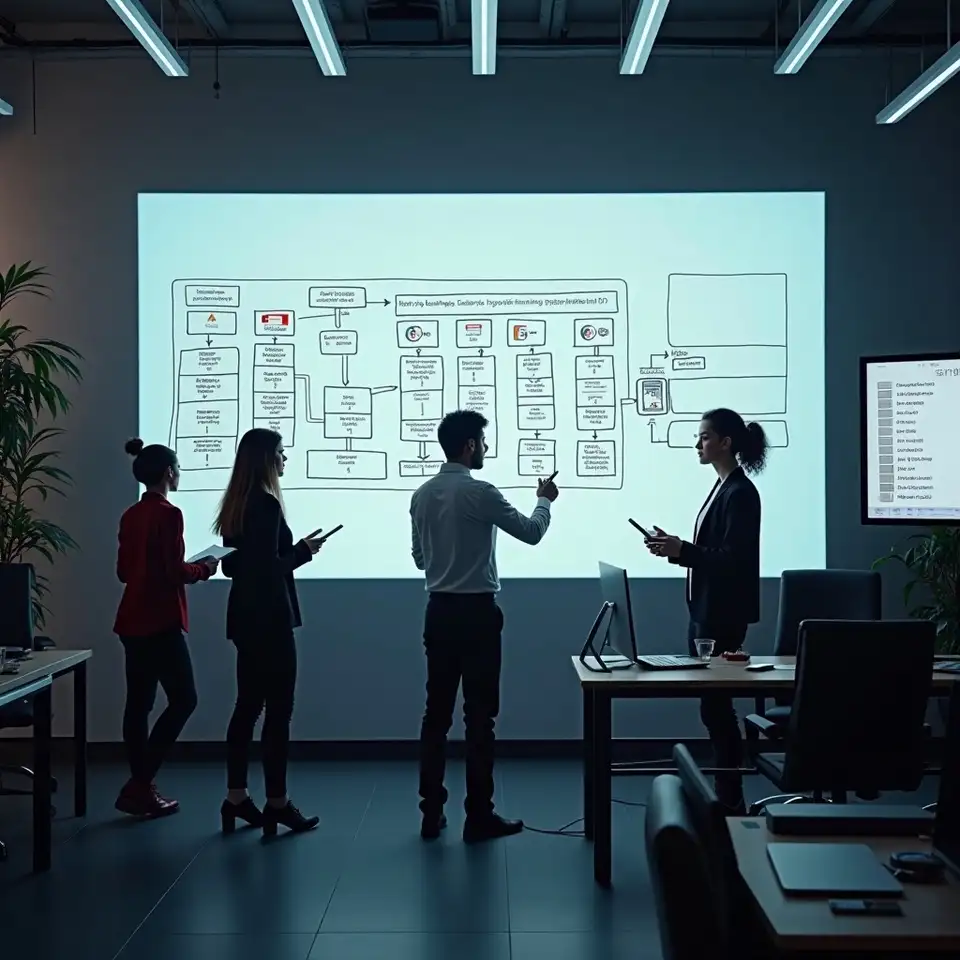
When you capture a whiteboard, the image moves through a series of stages: basic checks
for clarity and framing, interpretation of handwriting and shapes, construction of
diagrams and task lists, and finally export into tools your team already uses. At each
stage, you can see and adjust what the AI has inferred, correcting labels, regrouping
ideas, or removing sensitive details before anything is shared more widely. I design
this flow with mixed technical and business audiences in mind, so engineers can trace
logic while managers focus on responsibilities and timing. Results may vary with complex
boards, and past performance does not guarantee future results, which is why I encourage
quick human review as a standard step rather than an optional extra.
Ask more
How Anzorileptu actually works
“I wish I understood what happens between the photo and the finished diagram,” a
delivery manager once told me, and this page is my answer to that question. Here I walk
through how Anzorileptu approaches AI whiteboard content digitization step by step, what
choices you can make along the way, and where human review still anchors the process so
you can set realistic expectations inside your team.
I see the journey from marker to mouse as a chain of small, deliberate decisions rather than a single magic step. The quality of your capture shapes recognition, recognition shapes structure, and structure shapes how easily your team can follow through after the meeting ends, especially in hybrid setups across South African cities.
By understanding each link in that chain, you can decide how Anzorileptu fits into your
existing rituals, tools, and governance rules instead of treating AI as a black box.
Results may vary between boards, and past performance does not guarantee future results,
but clear information about the process helps you stay firmly in control of how your
whiteboard content becomes digital work.
Using this information in your own context
By understanding the mechanics and trade offs, you can decide where Anzorileptu fits, where it does not, and how to keep people firmly in control of their own work.
“Knowing the constraints helps me use the tool properly,” a facilitator told me, and that mindset is exactly what I hope this information encourages.
I have seen teams get the most value from AI whiteboard digitization when they treat it
as a structured assistant, not as a shortcut that removes all effort. Clear capture
habits, quick review moments, and agreed rules for storage create a stable frame around
the technology, so it can do its best work without clashing with your existing
responsibilities or culture.
Because Anzorileptu operates from South Africa while often serving distributed teams, I stay
attentive to questions about where data lives, who can access it, and how long it
remains available. I encourage you to involve your governance, security, or legal
colleagues early when deciding how to integrate the service, so that the cause and
effect chain from capture to archive reflects both your practical needs and your
obligations.
I also invite candid feedback when the system falls short of your expectations, whether that is a misread label, a confusing diagram, or an export that does not quite fit your workflow. Each piece of feedback helps me trace what led to that moment and what should change next, keeping the product rooted in real use rather than idealised scenarios.
“I just want a clear, honest explanation without the hype,” a client once said, and that
request sits at the heart of this information page.
I approach AI whiteboard content digitization as a practical response to a very old
problem: important ideas fade as soon as the board is wiped clean. The technology I use
is there to help preserve the structure of those ideas, not to replace the people who
created them. That is why I keep the language here grounded in real meeting habits, not
buzzwords, and why I repeatedly remind teams that results may vary and past performance
does not guarantee future results.
I also recognise that your organisation already has tools, rituals, and governance rules that work reasonably well, even if they feel slow at times. Rather than asking you to abandon them, I design Anzorileptu to sit alongside what you have, quietly easing the jump from marker strokes to digital records. When I describe features or workflows on this page, I do so with that coexistence in mind, so you can see how each piece might slot into your existing setup without forcing a complete overhaul.
Finally, I treat transparency about limitations as a form of respect. There will be boards that the AI struggles with, photos that are too faint, and sessions where the nuance of a heated debate cannot be captured by lines and arrows alone. In those cases, I expect you to lean on human judgement, additional notes, and follow up conversations, using Anzorileptu as one source of truth among several rather than the single record of what happened.
Why I share this level of detail about Anzorileptu
This page gathers the background thinking, trade offs, and practical details that sit
behind the simpler headlines on the homepage.
How I frame the use of AI in your workflow
“I am happy to experiment, as long as I know where the edges are,” a team lead once told me,
and I designed Anzorileptu’s information pages to draw those edges clearly. Below are three
pillars I return to whenever I explain how this AI whiteboard digitization approach fits
into real organisations.
Balancing convenience and responsibility
I see every decision about capture, storage, and sharing as a balance between convenience and responsibility. On one side, there is the desire to keep a rich record of how your team thinks together; on the other, there are privacy expectations, regulatory requirements, and your own appetite for risk. I design Anzorileptu so you can tilt that balance in the direction that feels right for your organisation, choosing shorter retention, tighter access, or more manual review where necessary.
Designing for transparency and trust
I avoid treating AI as a black box, because that erodes trust quickly. Instead, I show you how content has been grouped, which elements became tasks, and where the system was uncertain, so you can adjust before sharing outputs more widely. This transparency helps technical and business users build an intuition for when the AI is likely to perform well and when a complex board might need extra attention from a human eye.
Taking a gradual adoption path
I treat adoption as a gradual path rather than a sudden switch. Many teams begin by using Anzorileptu on a small set of workshops or retrospectives, comparing AI generated diagrams with their usual notes, and then decide how to expand from there. By moving step by step, you can tune capture habits, refine governance rules, and gather feedback without overcommitting, keeping expectations realistic while you learn what works in your own environment.
From capture to control
Capture habits
I start with the moment you hold up a phone to the board, because that is where everything else depends. Clear, well lit photos with the whole board in frame give the AI more to work with, which then leads to more accurate recognition and less time spent fixing mistakes later. That is why I build gentle prompts into Anzorileptu, nudging you to avoid glare, stand centred, and take a second shot if the image looks blurred. These small habits turn into big gains once you see how they influence the diagrams and lists that follow.
Reading the board
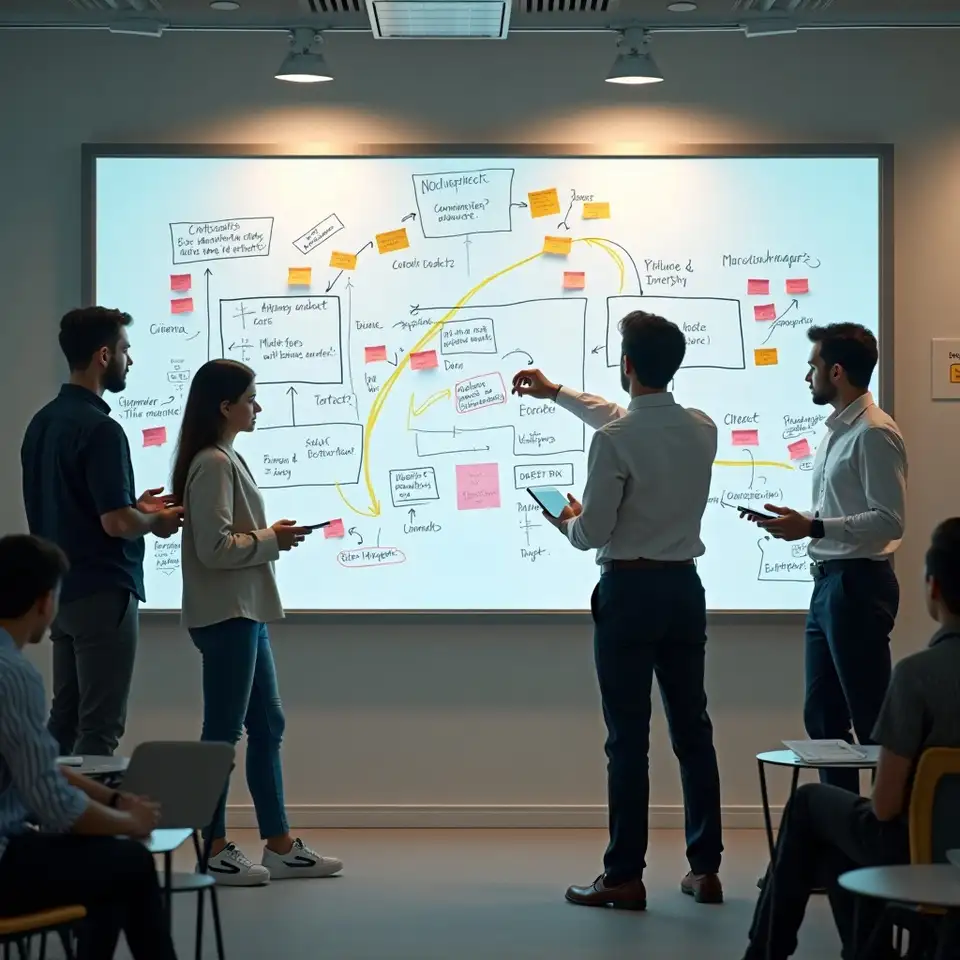
Once the image is uploaded, the AI looks for patterns in handwriting, shapes, arrows, and spacing. It separates headings from notes, notes from tasks, and clusters from outliers, treating the board like a map of your discussion. This interpretation is not perfect, especially with very dense or stylised boards, so I always expose the draft view for you to review. Your corrections help refine the structure for that session and inform how I improve the models for future updates.
Shaping outputs
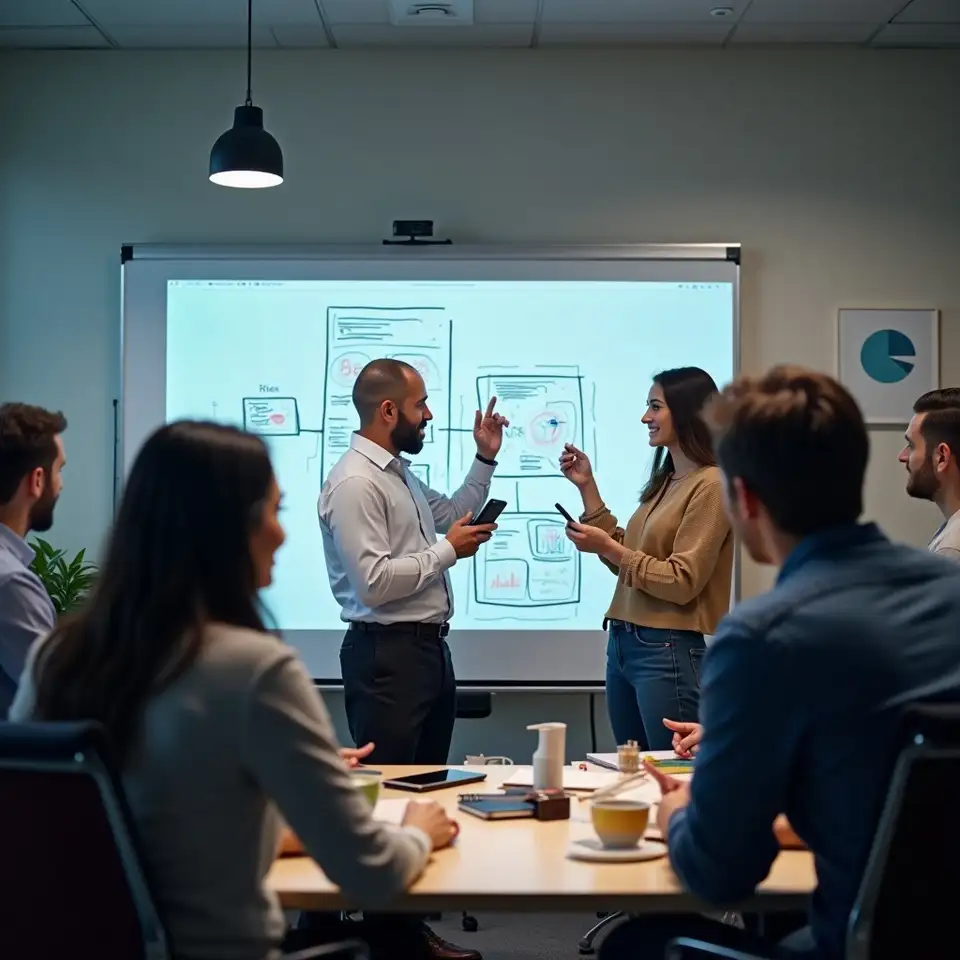
After interpretation comes structure, where Anzorileptu turns your content into diagrams, sections, and task lists that can be exported into your existing tools. I pay attention to keeping the emotional layout of the board intact while making it easier to scan and act on. You decide which outputs to keep, how long images should be retained, and who should see which boards, aligning the service with your privacy and governance rules rather than bending those rules around the tool.
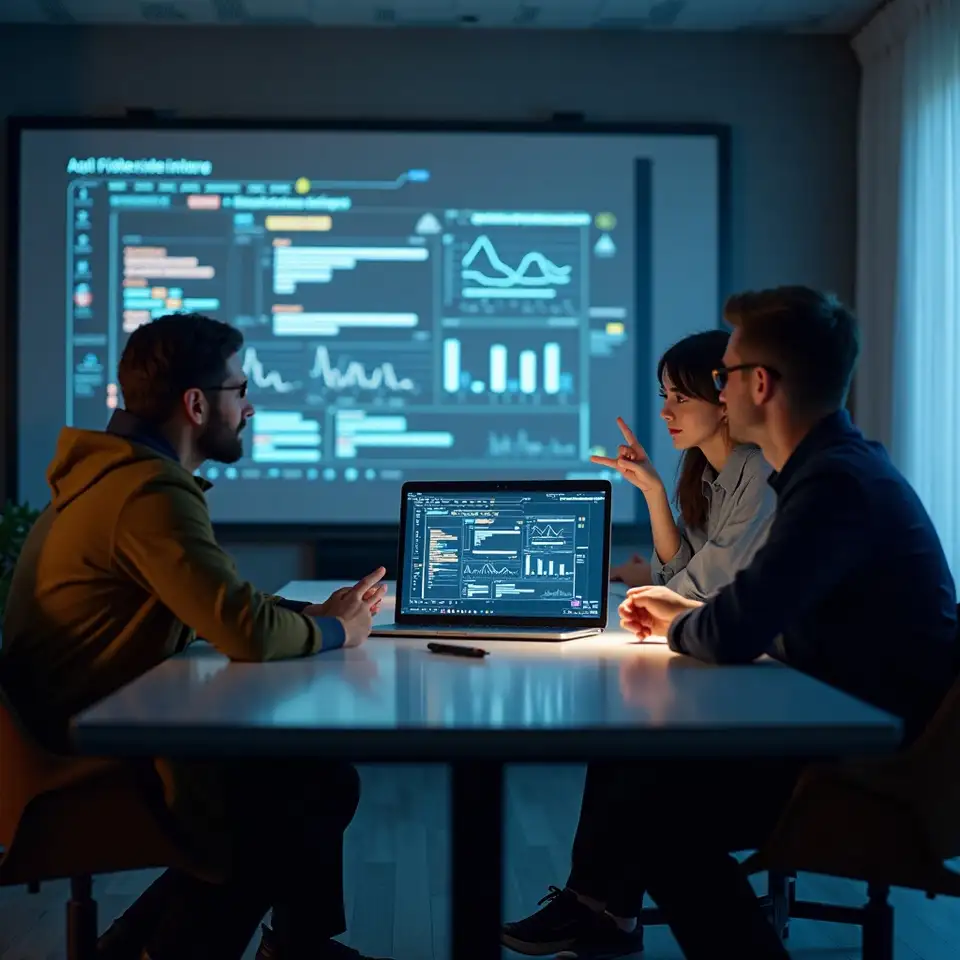
If you want to see how this chain behaves with your own whiteboards, you can
share a few sample photos and I will walk you through likely outcomes,
limitations, and review steps so your expectations stay grounded and practical.
Key things to know before you start
“Once I saw the intermediate steps, I finally trusted the system,” a project lead said to me, and that comment reinforced my decision to keep Anzorileptu’s process as visible as possible. This page gathers the key pieces of information teams usually ask for when they are weighing AI whiteboard digitization against their current habits and governance standards.
-
Retention and deletion choices
I treat every whiteboard image as a temporary snapshot of a working conversation, not as something to hoard indefinitely. That is why I encourage teams to define retention rules that match their internal policies, deciding how long images and outputs should be kept, when they should be anonymised, and when they should be deleted entirely. This approach helps you balance the convenience of searchable records with the responsibility to manage sensitive content carefully.
-
Infrastructure and privacy context
Because Anzorileptu operates in a South African context while serving people who may join from other regions, I pay attention to how data moves and where it is stored. I aim to select infrastructure and partners that support robust security practices and alignment with relevant data protection expectations, while still keeping the service responsive for everyday use. For detailed personal data handling, I always point back to the dedicated Privacy Policy, which sits alongside this practical overview.
-
Multiple views, one capture
Different roles care about different details, so I design the interface to surface what matters most to each group without hiding the rest. Facilitators might focus on whether all clusters were captured, while managers look for owners and dates, and technical leads check that flows make sense. By offering multiple views from a single capture, Anzorileptu lets each person work from the same underlying truth while reading it through their own lens.
-
Human review as a feature
I build with the assumption that AI is a collaborator, not an authority. That means I expect people to review outputs, question interpretations, and override suggestions where needed, especially in compliance sensitive contexts. Results may vary between sessions, and past performance does not guarantee future results, so the product is shaped to keep you in the loop rather than replacing your judgement with an opaque decision made in the background.